

by The Teashop
- Tea
Cafes and soft drinks may be a recent trend; however, chai has found a position within Indian homes even before these trends. The passage from trade routes and tea gardens to railway stations and kitchens has resulted in chai being a part of people’s daily routines. Today, chai is not just tea; it is a way of initiating a conversation, sharing silence, and providing comfort without words.
In India, every occasion provides an opportunity for chai to enter the scene. Chai is present during a family gathering, a business meeting, a halt on the road, a late-night discussion, or a peaceful morning. If people are celebrating, chai is also a part of the celebration. When people are down, chai is the listener.
This blog will travel with you across India to explore 10 different types of chai that can trace roots back to different regions of India, and it will tell you why each place has its own method of preparing chai.
1. Kashmiri Kahwa: Mountain Warmth in a Cup
Kashmir’s cold climate demands warmth and balance. Kahwa, a green tea infused with saffron, cinnamon, cardamom, and almonds, provides gentle heat and digestion support. Locals serve it after meals and during winter evenings.
Recipe style: Green tea simmered lightly with saffron strands, crushed almonds, cinnamon, and cardamom.
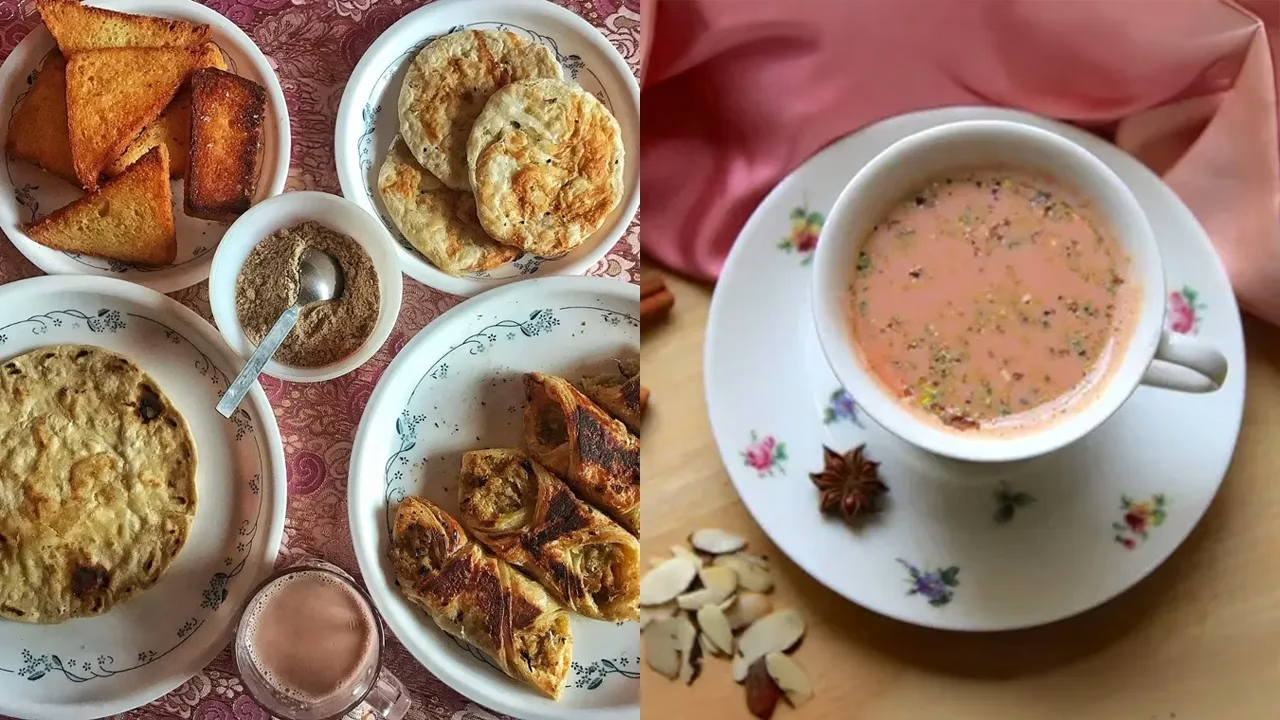
2. Noon Chai: Kashmir’s Pink Comfort
High altitudes and cold mornings gave rise to Noon Chai, a salty pink tea. The unique colour comes from long boiling and baking soda, while milk adds richness. It pairs well with bread and slow conversations.
Recipe note: Black tea boiled long with baking soda, finished with milk and salt.
3. Punjabi Masala Chai: Strong and Fearless
Punjab’s farming lifestyle shaped a chai that energizes. This brew uses bold spices like ginger, pepper, cloves, and cardamom to deliver strength and warmth.
How it’s made: Tea leaves boiled with crushed spices, milk, and sugar for a robust flavour.
4. Rajasthani Masala Chai: For the Desert Climate
Rajasthan, with its dry climate, inspired a thick, spice-heavy chai to counteract heat and dehydration.
Traditional brew: A strong tea boiled a bit longer to get the essence with black pepper, cloves, and cinnamon.
5. Mumbai Cutting Chai: Fast, Strong, Essential
The pace of Mumbai required efficiency. This cutting chai, served in small glasses, delivered quick energy without the need to slow down and deliver the same vibe.
Recipe style: Very strong tea with little milk, and shortly boiled.
6. Irani Chai: Slow Brews of Hyderabad
Introduced by Persian immigrants, Irani chai hyderabad is creamy, mildly sweet, and slow-brewed. It’s meant to be savoured, not rushed.
How it’s brewed: Black tea simmered longer with milk and sugar, served hot.
7. Gujarati Sweet Chai: Comfort First
Gujarat prefers balance over spice. This chai leans sweet, mild, and comforting, making it ideal for frequent sipping.
Recipe approach: Tea leaves with light cardamom, extra sugar, and milk.
8. Bengali Lebu Chaa: Light and Refreshing
Humidity shaped Bengal’s tea culture. Lebu Chaa skips milk and uses lemon for freshness.
How to serve: Black tea with lemon juice, sugar, and a pinch of salt.
9. Assamese Black Tea: Pure Strength
Assam’s fertile soil produces bold tea leaves with malty depth. This tea stands strong even without milk.
Brew note: Steep Assam tea in boiling water for a full-bodied taste.
10. Kerala Sulaimani Chai: Light & Spiced
The spice history of Kerala influenced Sulaimani chai, a warm drink that doesn’t contain milk and is a mixture of lemon and spices; it helps in digest
Classic mixture: Black tea, cardamom, and cloves, mixed with lemon juice.
Authentic Chai Powders & Blends from The Tea Shop
Preparing regional chai at home just got easier with authentic chai powder options at The Tea Shop. With options such as Kahwa mixes or Masala Chai powders to Assam tea leaves, it is possible to experience the best of chai in India without compromising on either taste or authenticity. Take a closer look at the full range of products.
FAQs
1. Which is the healthiest chai in India?
A. Kahwa and Sulaimani chai are preferred because they contain lighter ingredients and spices that help with digestion.
2. What is the strongest chai found in India?
A. Punjabi masala chai and Assam black tea are among the strongest, thanks to the large tea leaves and boiling.
3. Why does a cup of chai taste different despite using the same material?
A. Taste depends upon the quality of water, type of milk, time of boiling, and climate. This makes every region’s chai distinct.
4. Should chai be spicy or mild?
A. It depends on the region; it is spicier in cold regions, while in warm areas, it is less spicy.
Conclusion
This is a demonstration of the diversity found in the form of chai throughout India, as it is greatly affected by climate, culture, and lifestyle.
At The Tea Shop, all these stories come to life with the use of authentic Indian chai powders and blends. Visit our website for purchasing the best chai. Follow us on Instagram for ‘Chai’ Stories, Recipes, and Product Releases.

